

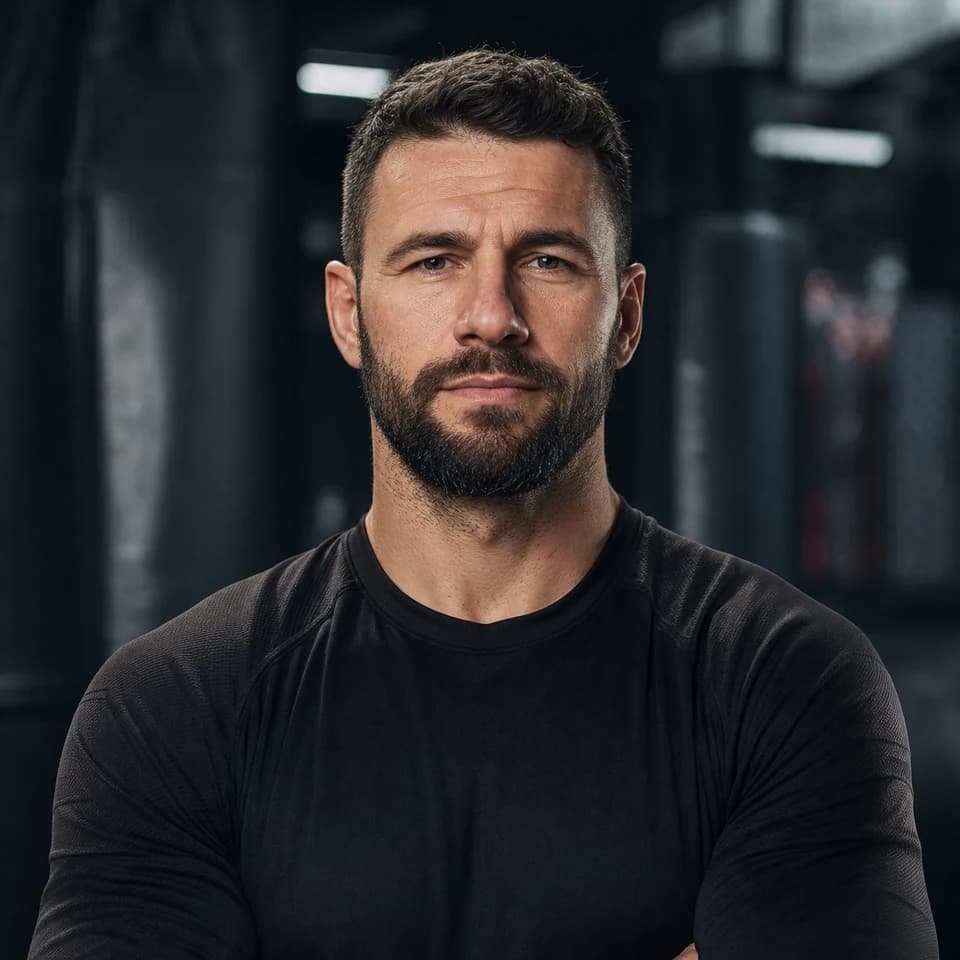
Coach and gear reviewer
Tomek Wojciechowski
Coach and gear reviewer
Face protection
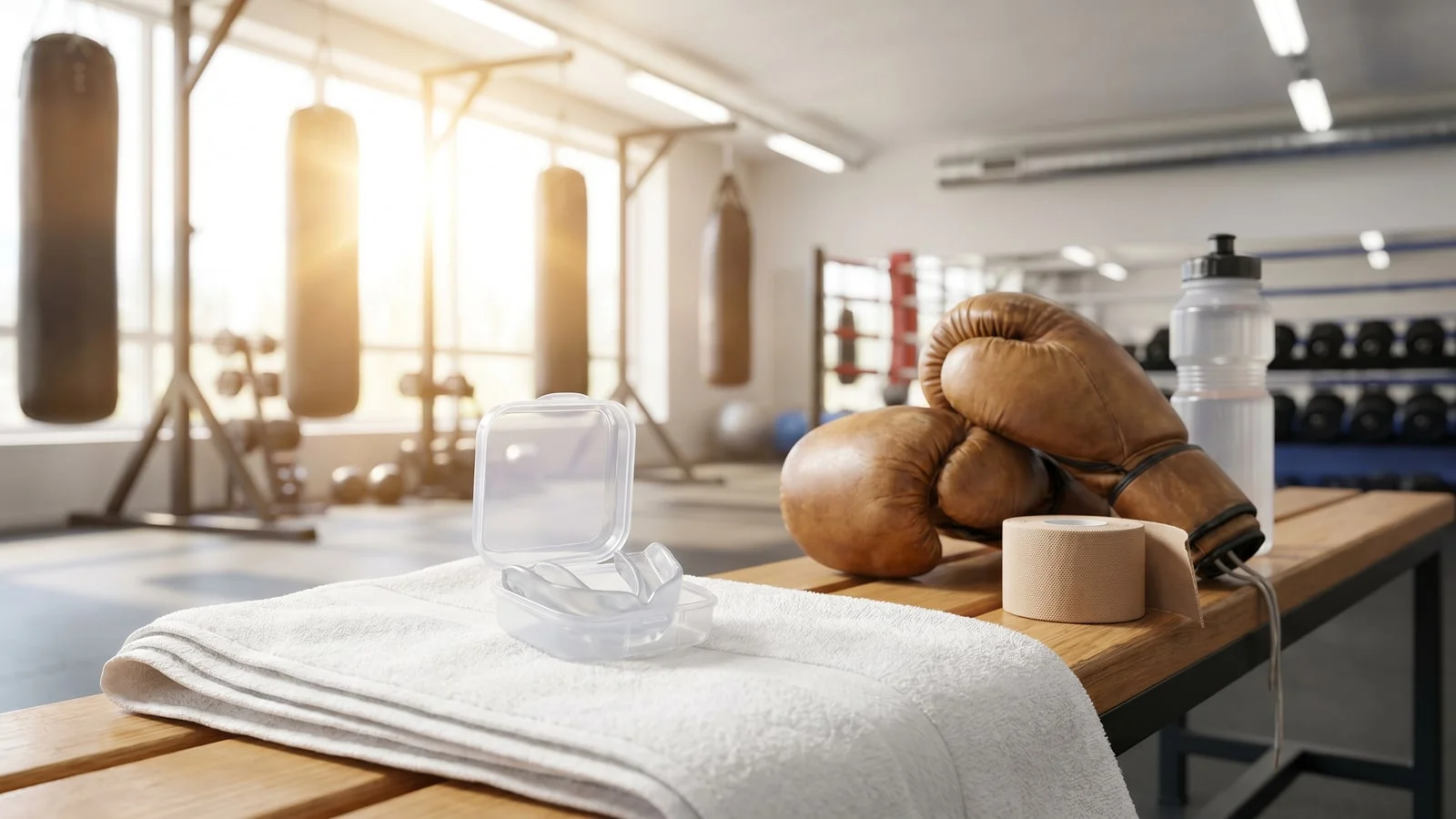
With the query mouthguard, many people stop at two extremes: they either buy the cheapest thing available or they pay for something labelled pro without understanding the difference. The better question is simpler: can you breathe, speak and train normally in it. A good mouthguard protects, but it also stays out of the way of training rhythm.
Coach and gear reviewer
Coach and gear reviewer
Coach and gear reviewer
Coach and gear reviewer
For most amateur training, a single-jaw boil-and-bite mouthguard is the smartest default. It offers enough protection while staying much easier to breathe and speak in than the bulkier options many beginners buy by accident.
The differences between models are not just about price. Some stay calm in the mouth and let you train. Others irritate the tongue, cheeks or breathing pattern within minutes.
The first parameter is profile: thinner and more speech-friendly or thicker and more classic. The second is fit after molding. The third is how the guard behaves during breathing and communication. In practice, those three points decide whether you will willingly wear it every session.
Material stability matters too. A mouthguard should not float around the mouth or force you to bite down on it all the time just to keep it in place.
A beginner usually does well with a simple single-jaw model from the basic or sensible mid-range segment. Someone training more often and wanting more comfort can move toward thinner and better-designed options. Under heavier contact, some athletes will still prefer a more classic, fuller feeling of protection.
There is no one perfect option for everyone. Athletes who value speech and breathing freedom will decide differently than someone who wants the most reassuring impact buffer.
The biggest mistake is buying the cheapest option and never fitting it properly. The second is rushing the molding process and ending up with a weak seat on the teeth. The third is using the same guard long after it stops fitting securely.
It is also a mistake to assume that the thickest model is automatically the best. If it destroys your breathing comfort, training quality will drop anyway.
Masters OZ-GEL and DBX Bushido GelTech show what an honest low-cost start looks like. OPRO brings a strong comfort-to-fit balance, SISU Aero wins where slimness matters most, while Shock Doctor and Everlast cover two more classic protection directions.
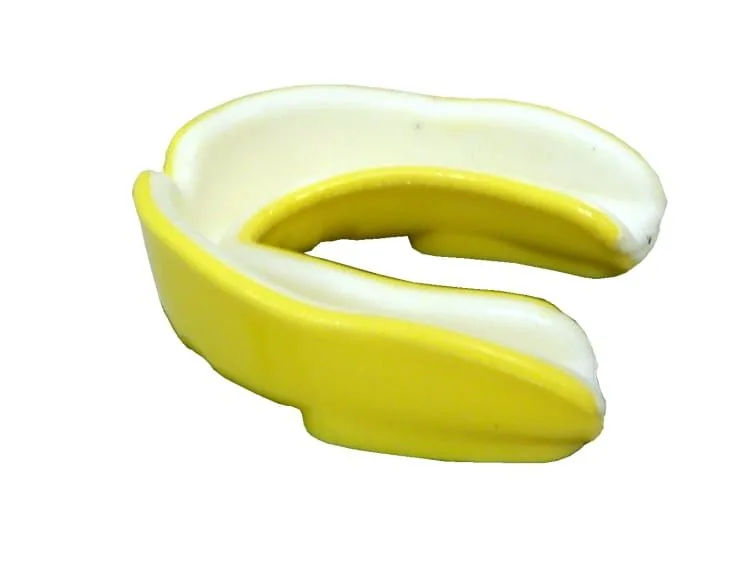
Masters
Partner feed pickThe simplest example of a low-cost mouthguard that still makes sense if you need a safe start without overspending.
Pros
Cons
Phase 1: editorial card without a store link.
Typical price: ok. 20-30 zł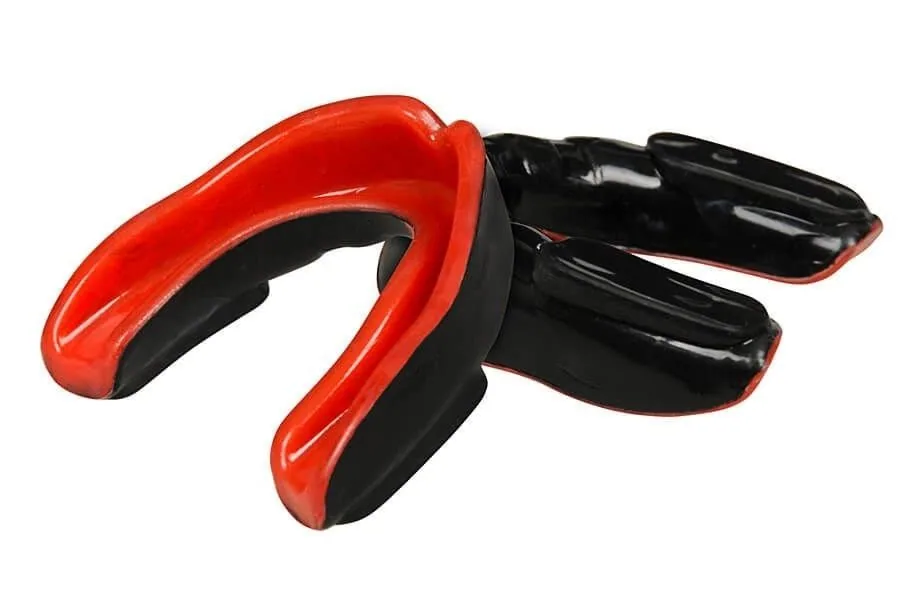
DBX Bushido
Partner feed pickA local-market budget alternative that usually performs better than random marketplace no-name options.
Pros
Cons
Phase 1: editorial card without a store link.
Typical price: ok. 20-30 zł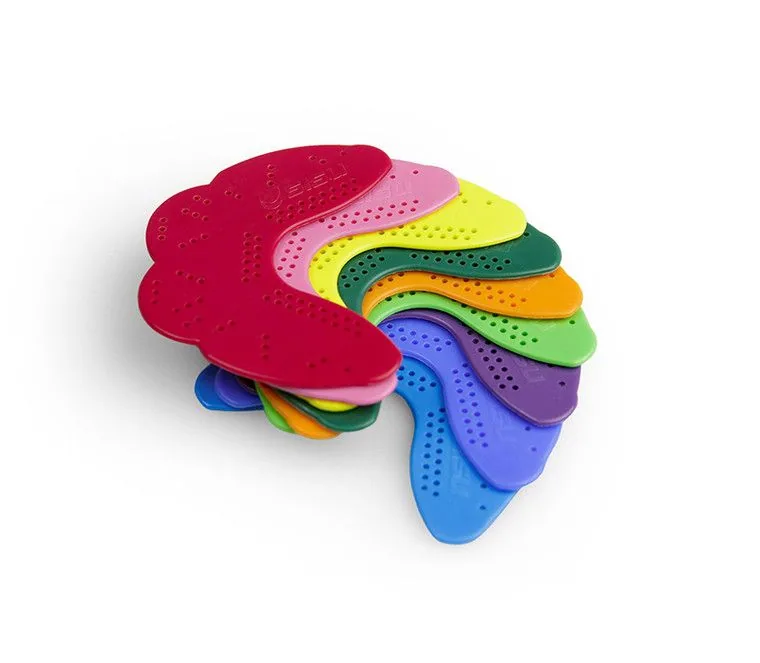
SISU
Market referenceThe most interesting option for athletes who want easier breathing and speech without giving up protection.
Pros
Cons
Phase 1: editorial card without a store link.
Typical price: ok. 110-140 zł
OPRO
Market referenceA strong mid-market option for athletes who want better fit than basics without jumping straight into the most niche constructions.
Pros
Cons
Phase 1: editorial card without a store link.
Typical price: ok. 70-90 zł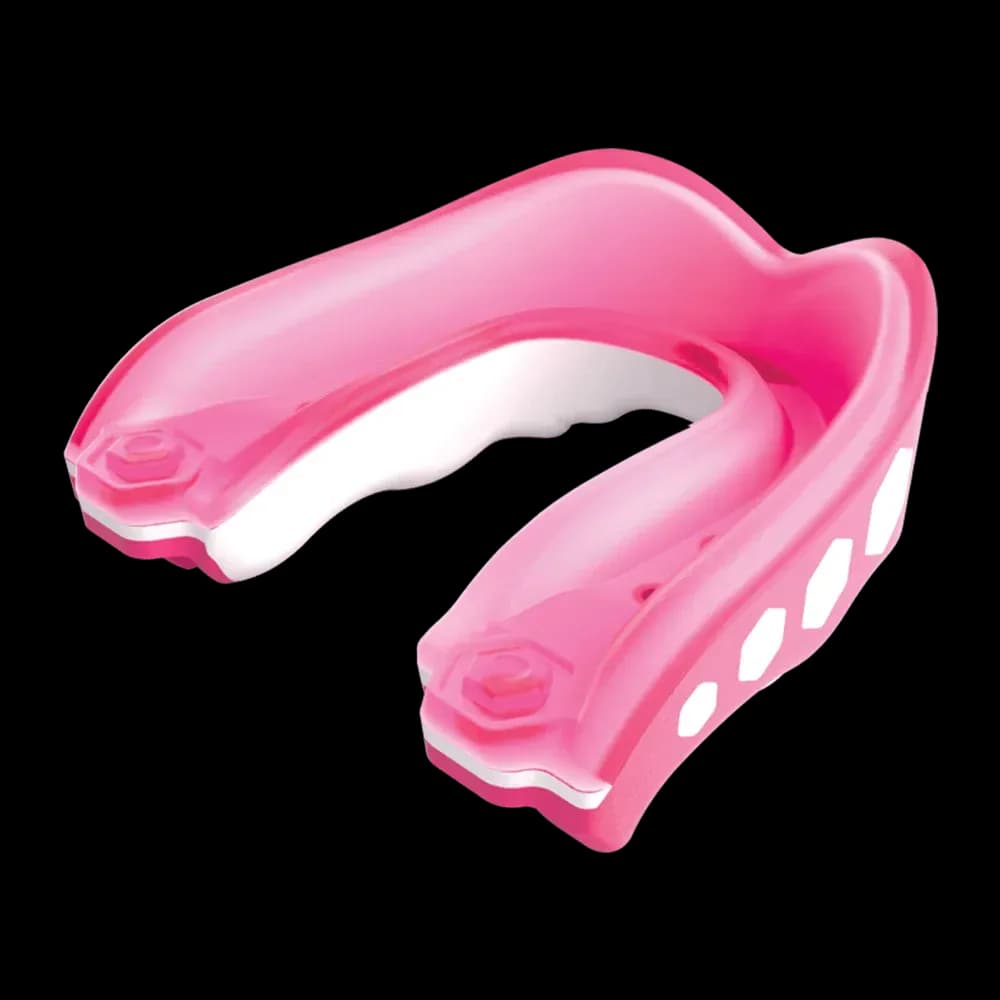
Shock Doctor
Market referenceA good reference for athletes wanting more classic, substantial protection for heavier contact.
Pros
Cons
Phase 1: editorial card without a store link.
Typical price: ok. 80-110 zł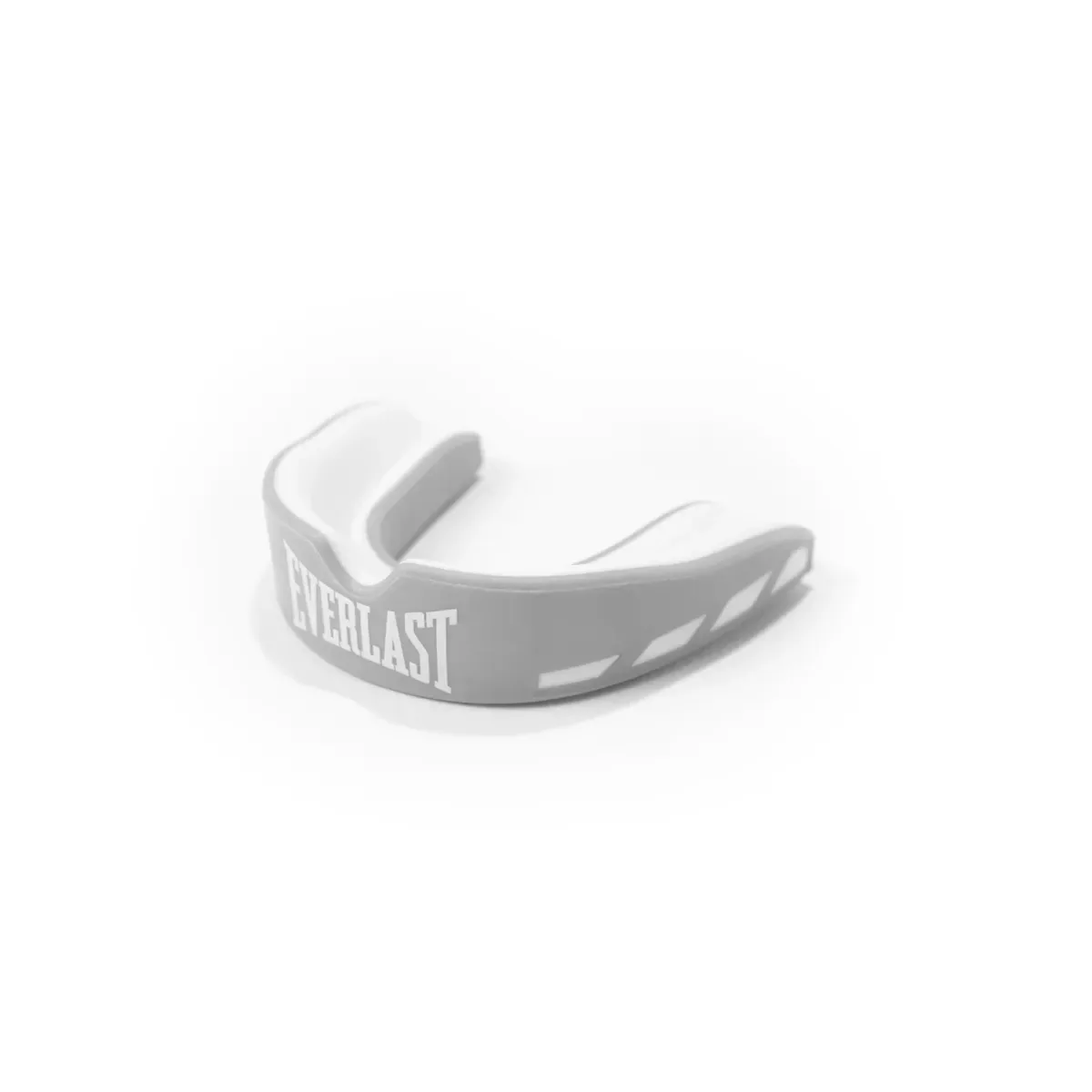
Everlast
Market referenceA mainstream model that is easy to explain to someone building a first boxing kit in one place.
Pros
Cons
Phase 1: editorial card without a store link.
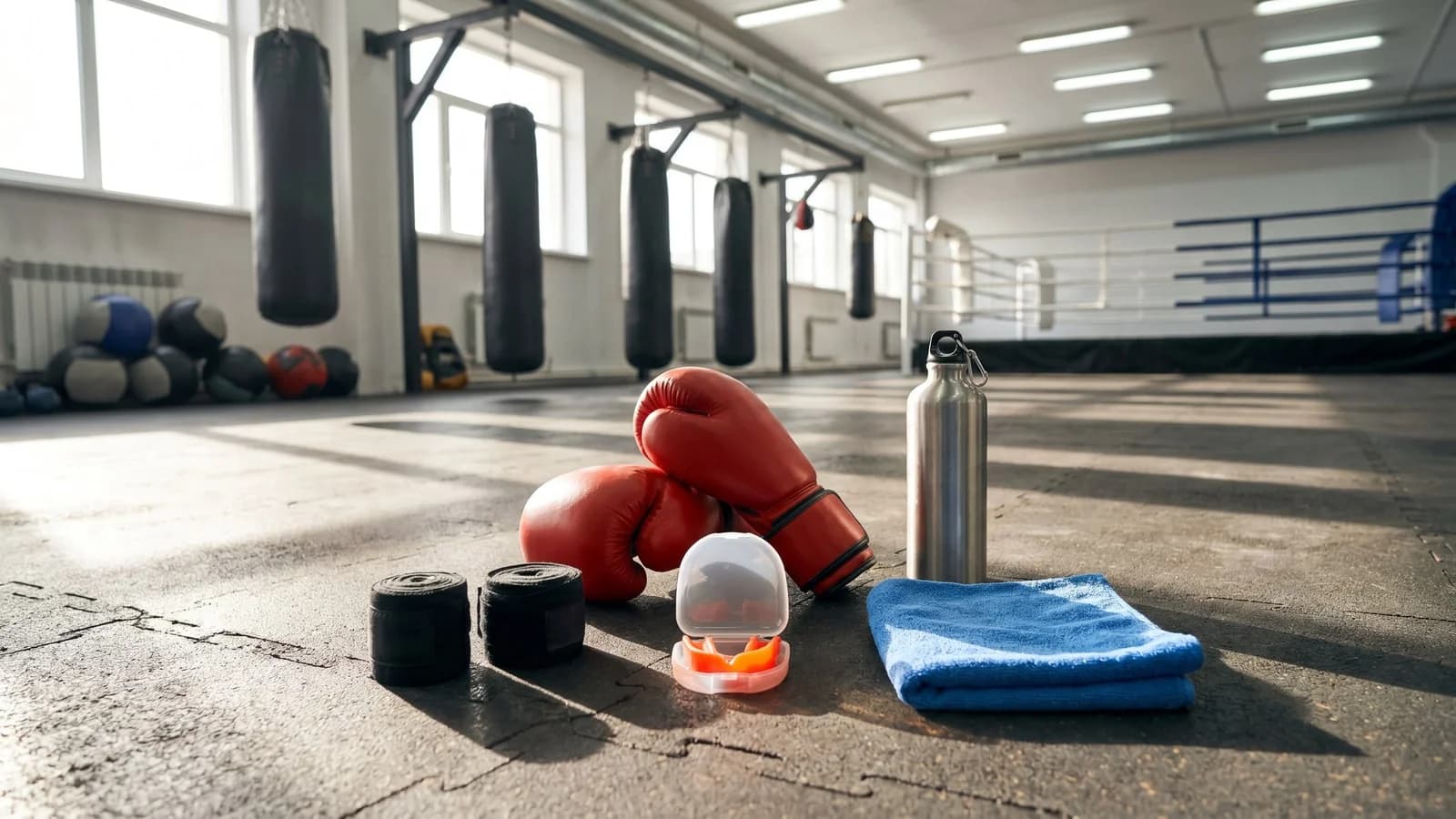
Typical price: ok. 80-100 złA mouthguard always belongs to a wider training kit. The more sparring you do, the more it should be considered together with glove sizing and proper wraps. In kickboxing and MMA, shin guards and overall gear hygiene join the equation too.
Put simply, a good mouthguard should not be the star of the kit. It should work so quietly that you forget about it after a minute and get back to training.
The best mouthguard is the one that protects and then disappears from your attention once it is fitted correctly.
FAQ
For most beginners, single-jaw boil-and-bite models are the safest starting point. They balance protection, comfort and price without adding too much bulk.
About the author
Coach and gear reviewer
Tomek works with boxers, MMA athletes and kickboxers on a regular basis. At ArenaSprzetu he focuses on comfort, protection and real-world value from the perspective of repeated training use.
Credentials
Keep reading
We break down the most important beginner boxing gear and show what is truly worth buying at the start versus what can wait.
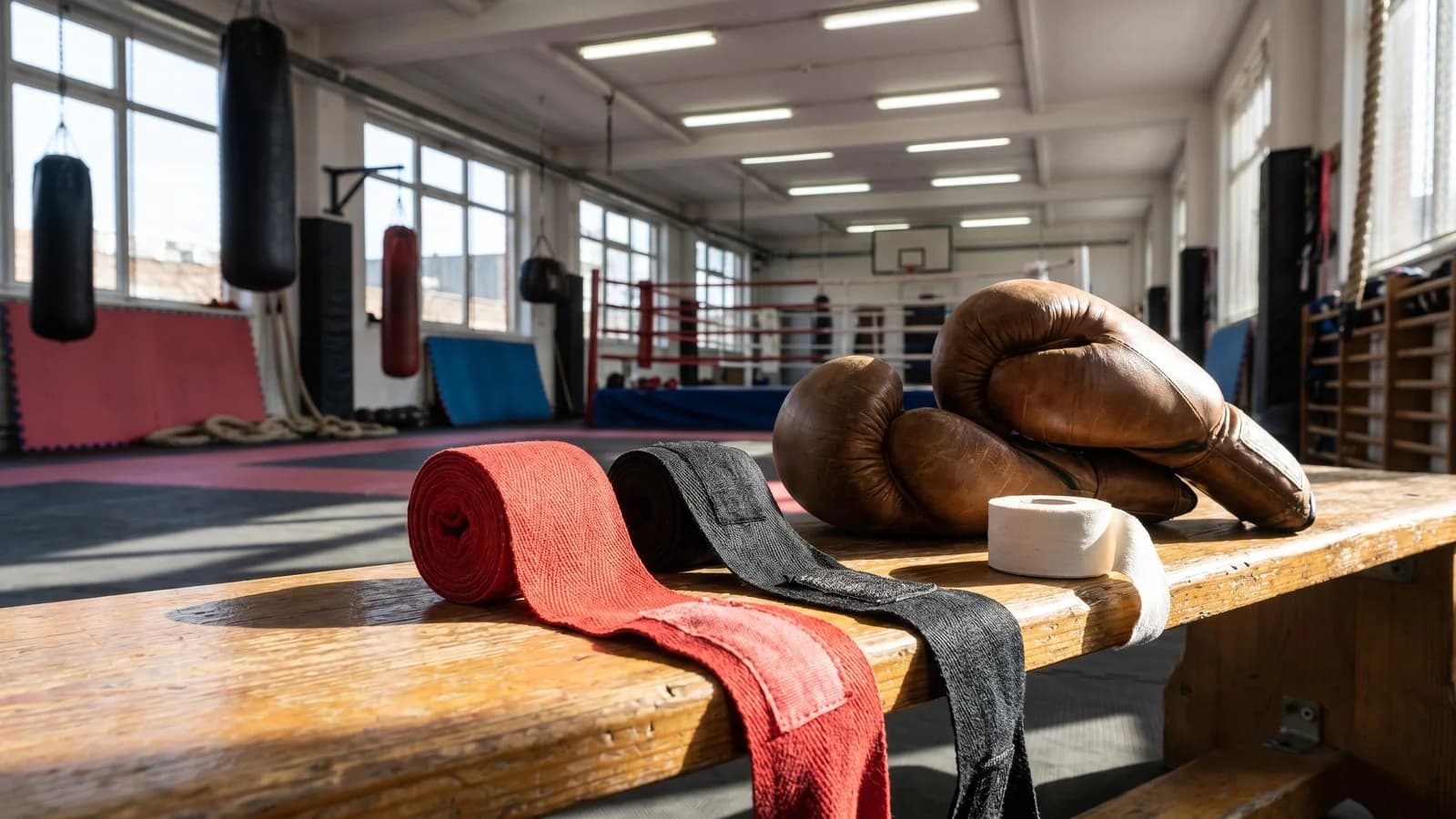
We explain how to wrap your hands for boxing, when 4 m works, when 4.5 m is better and which wraps make sense for beginners and regular gym training.

We explain how to choose boxing gloves based on body weight, training type and sparring volume so the ounce number actually means something.