


Coach and gear reviewer
Tomek Wojciechowski
Coach and gear reviewer
Practical guide
The query how to choose boxing gloves often collapses into one shortcut: heavier athlete equals more ounces. That is not enough. In practice, three things decide whether the choice works: body weight, training type and how the glove shapes your hand once wraps are on. So instead of blindly following a chart, we prefer a simple order of decisions: define the job first, then choose the ounce range.

Coach and gear reviewer
Coach and gear reviewer
Coach and gear reviewer
Coach and gear reviewer
If you mostly do pads and bag work, 12 oz or 14 oz often makes sense. If regular sparring is part of the week, the center of gravity shifts toward 14 oz and 16 oz because the bigger glove usually gives a calmer contact profile.
At the same time, two gloves both marked 14 oz can feel completely different. One will close the fist naturally and support the wrist well, another will only add ounces on the label. The number matters only when read together with the glove’s shape and foam behavior.
Body weight is the first parameter, but not the final answer. Training type is the second: a technical stand-up class and a gym with weekly sparring are very different realities. The third parameter is glove shape. On a smaller hand, an oversized hand compartment can ruin control even if the ounce number is technically correct.
We also look at foam type and cuff stiffness. Calmer, more evenly distributed padding forgives more. A firmer, sportier glove can be excellent, but usually only once you know your preferences better.
A beginner entering a gym usually does best with a simple, predictable and affordable glove in 12 oz or 14 oz. Someone training three times a week and sparring more often benefits from a more stable glove in 14 oz or 16 oz. A committed amateur can then deliberately choose a more sport-focused model, even if it demands a better hand fit.
Women and athletes with smaller hands should look beyond ounces and pay attention to whether the hand compartment is too roomy. Kids and juniors often need a separate buying logic altogether because comfort and manageable weight matter even more there.
The most common mistake is buying one glove for everything only because a store description calls it universal. Another mistake is using too small a glove for sparring because it felt faster on the bag. A third one is ignoring wraps during fitting. A glove that feels perfect without wraps can become too tight as soon as they go on.
It also does not help to follow price alone. A cheaper glove can be smart if it fits the real training scenario. A more expensive one will not help if it is wrong for your hand or your workload.
To make the decision more practical, we picked four gloves. StormCloud Bolt 2.0 represents the safe budget start. Masters RBT-301W shows what a step up looks like for more regular trainees. Everlast Elite 2 is our versatility benchmark for a club week, while Leone The Greatest shows how a more sport-focused fit changes the feel.
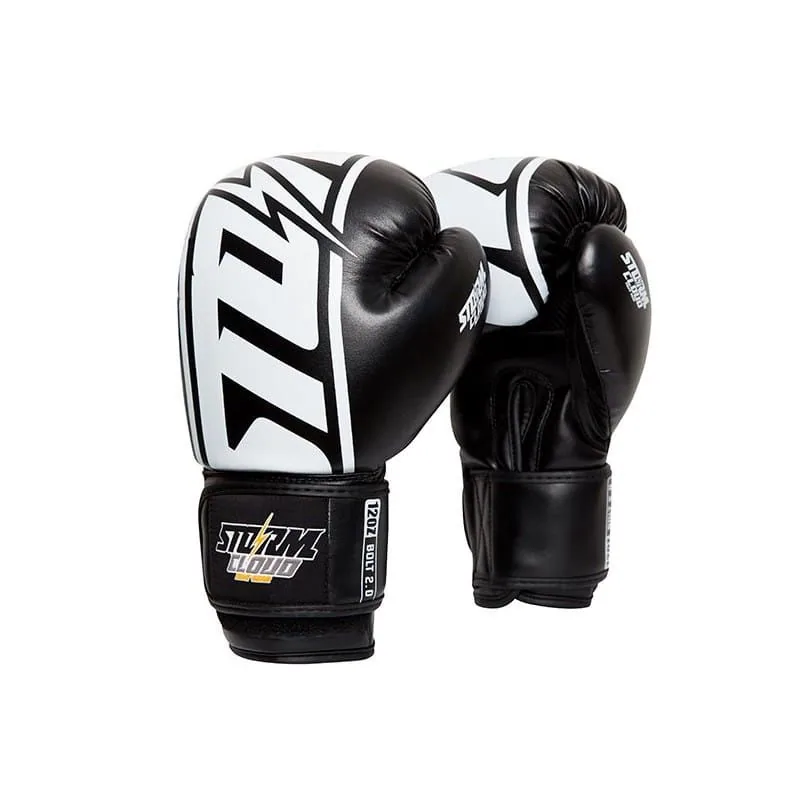
StormCloud
Partner feed pickA budget starting point for people who want a first proper 12 oz or 14 oz glove for regular gym work.
Pros
Cons
Phase 1: editorial card without a store link.
Typical price: ok. 140-160 zł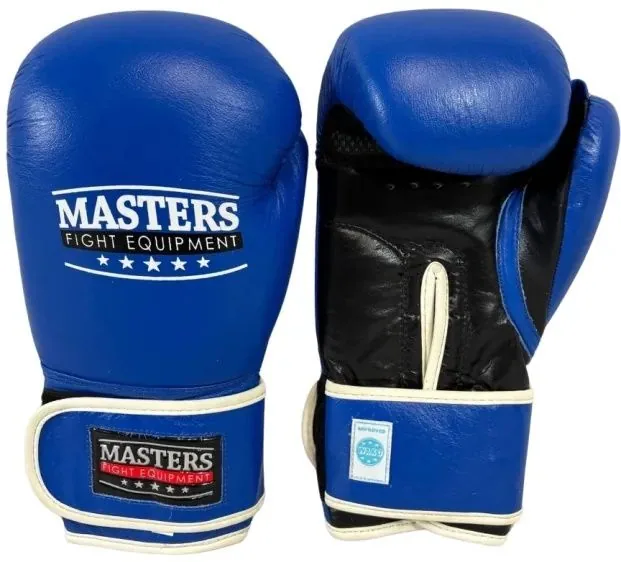
Masters
Partner feed pickA stronger choice once you know 14 oz or 16 oz will serve not only on the bag but also in regular club contact.
Pros
Cons
Phase 1: editorial card without a store link.
Typical price: ok. 210-240 zł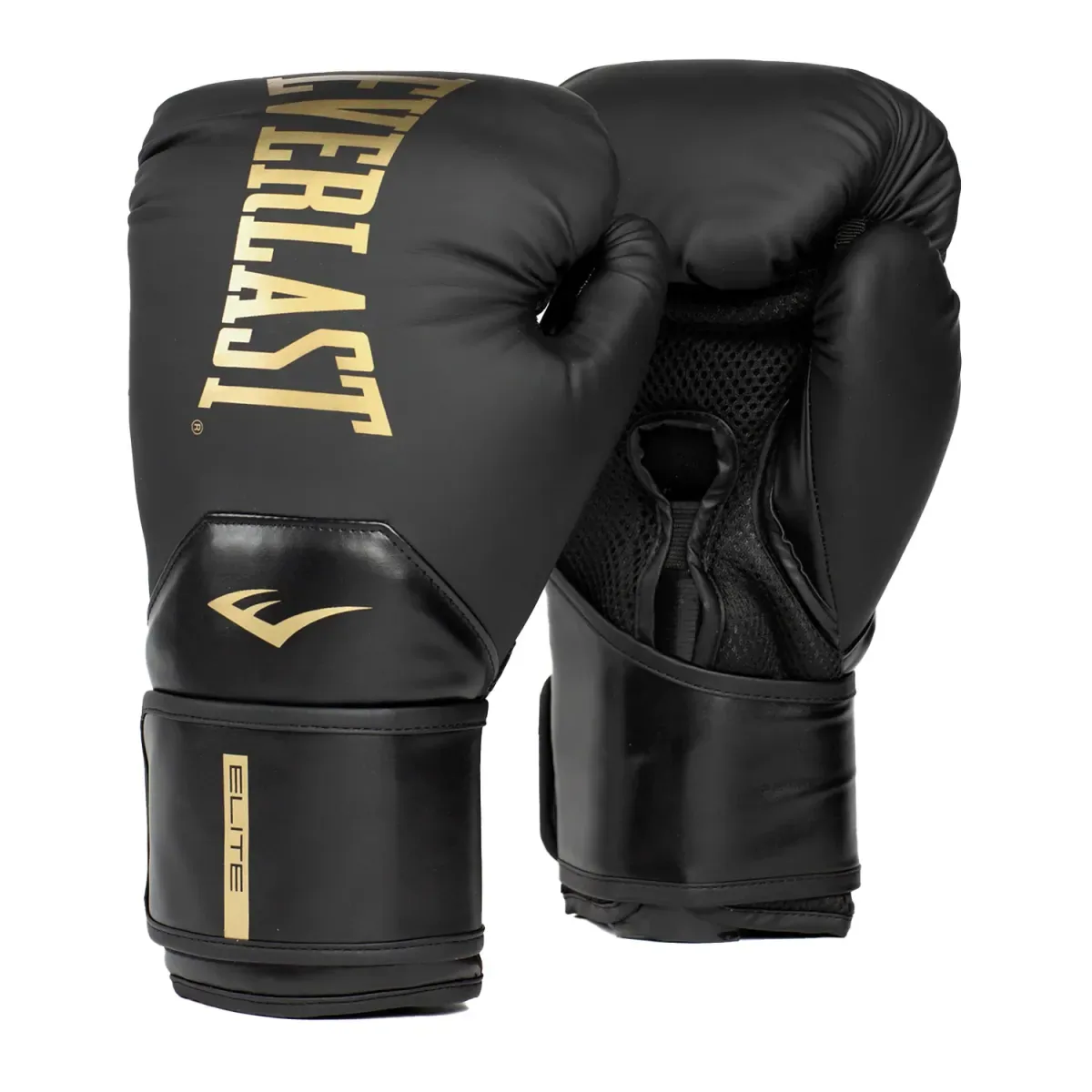
Everlast
Market referenceIt clearly shows why the ounce number alone is not enough without discussing foam profile and hand fit.
Pros
Cons
Phase 1: editorial card without a store link.
Typical price: ok. 260-310 zł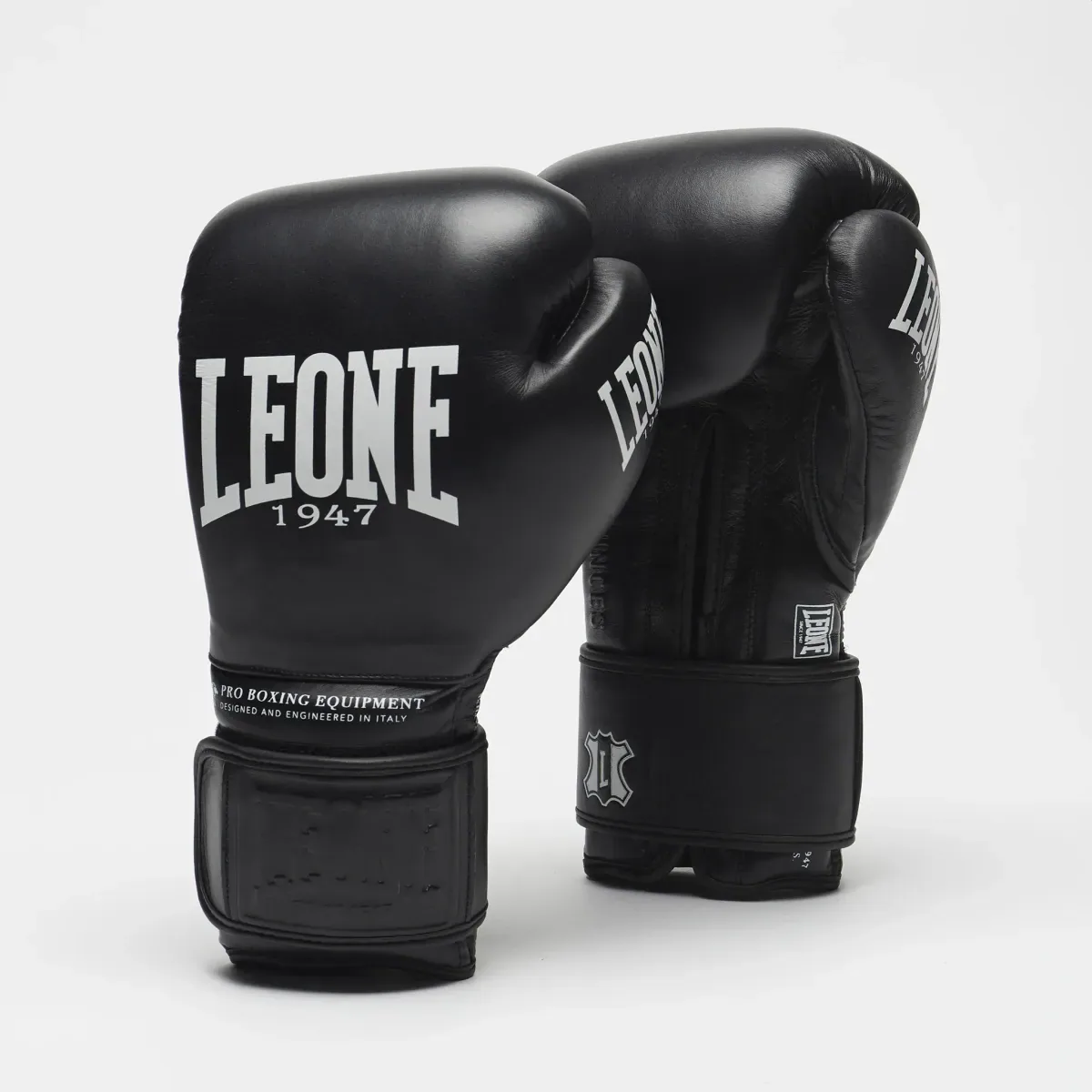
Leone
Market referenceIt reminds you that glove weight never works in isolation from the glove shape and the actual hand fit.
Pros
Cons
Phase 1: editorial card without a store link.
Typical price: ok. 340-390 złGlove selection does not happen in isolation. The same pair can perform much better with properly chosen wraps than with a random bandage length. Once sparring appears, a mouthguard also becomes part of the equipment decision because the entire training context becomes more contact-heavy.
For many people, the smartest purchase is not the most expensive glove, but a well-matched glove plus good wraps and a realistic training plan. Then the gear supports technique instead of fighting against it.
Choose the glove’s job first, the ounce range second and the specific model third.
FAQ
For most athletes at that weight, 12 oz works for pads and bag work, while 14 oz or 16 oz makes more sense once sparring enters the week. Your gym’s contact level still matters just as much as the scale.
About the author
Coach and gear reviewer
Tomek works with boxers, MMA athletes and kickboxers on a regular basis. At ArenaSprzetu he focuses on comfort, protection and real-world value from the perspective of repeated training use.
Credentials
Keep reading
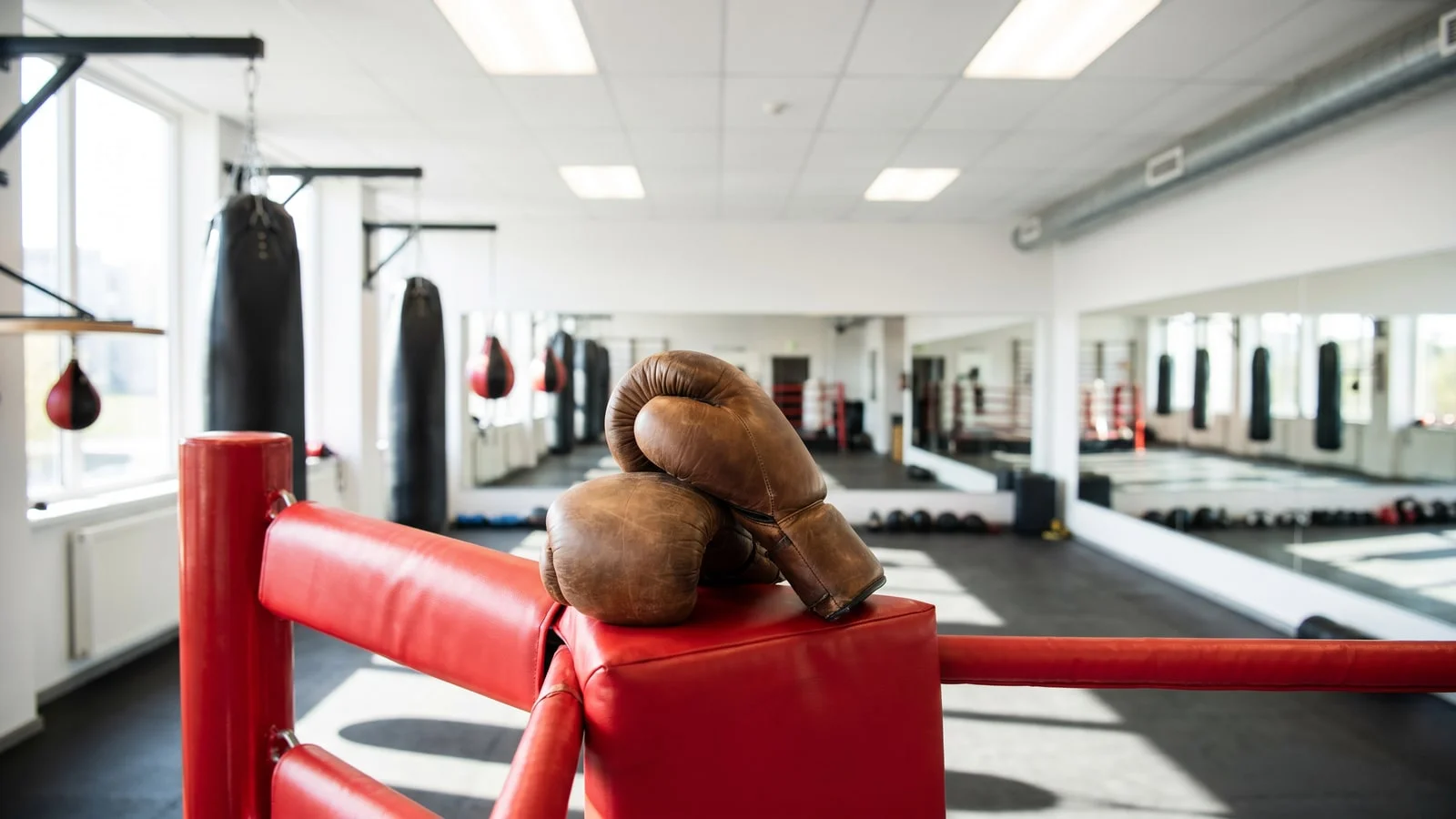
We compared the boxing gloves that make the most sense for Polish gym buyers: Everlast, Leone, RDX and the local DBX Bushido, StormCloud and Masters options.
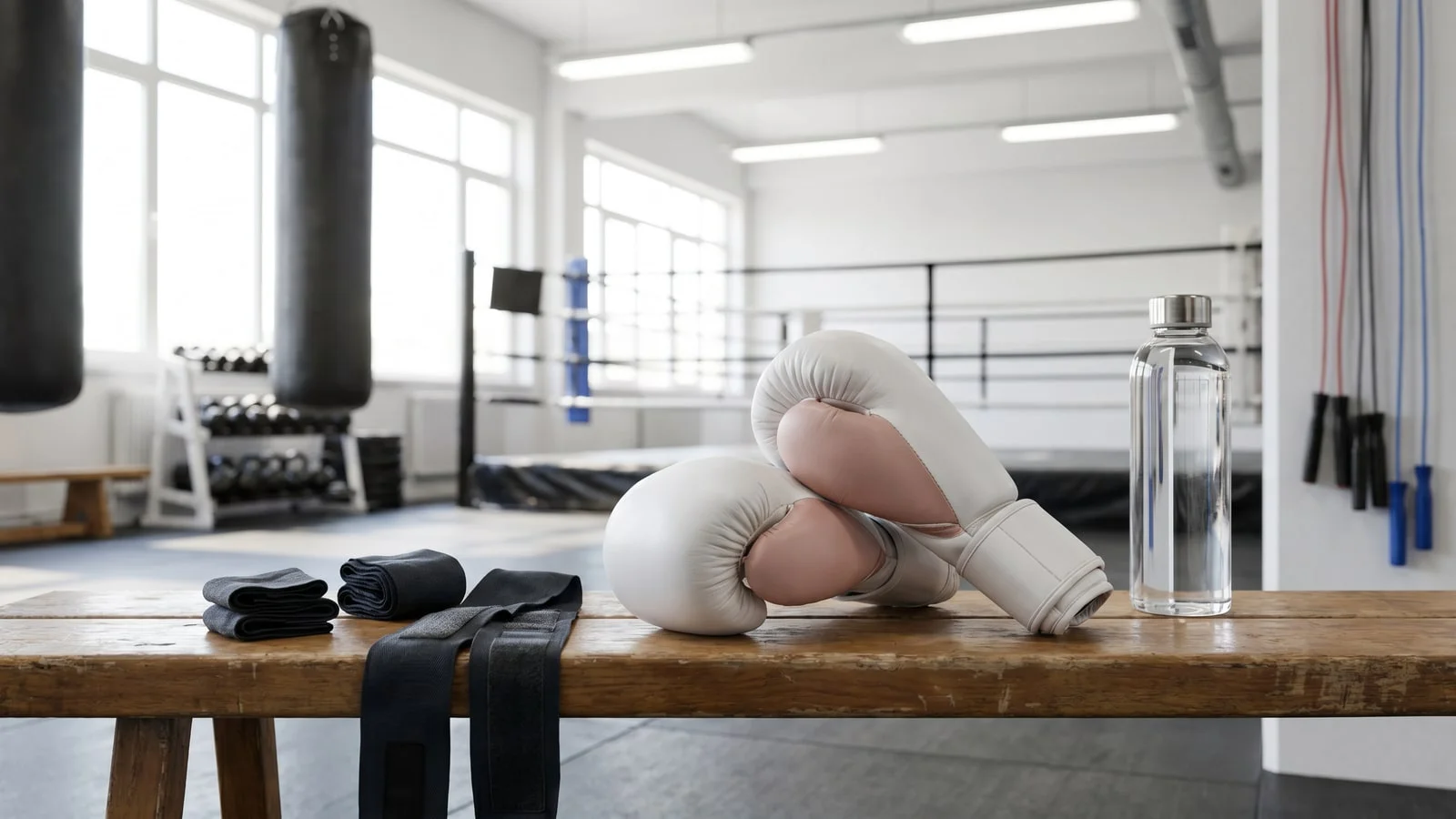
We picked women’s boxing gloves that truly fit smaller hands instead of relying on color alone to sell the idea.

We compared the kids’ boxing gloves that make sense for first classes, regular club use and more serious junior training.