


Coach and gear reviewer
Tomek Wojciechowski
Coach and gear reviewer
Buying guide
12 or 14 oz — that is the first serious question on a boxing glove purchase, and beginners often get two contradictory answers in the same gym. This is not a story of better vs worse ounces — it is a fit question tied to what you actually do on the mat, what you weigh and whether you spar. Below we break the choice into four variables that matter.

Coach and gear reviewer
Coach and gear reviewer
Coach and gear reviewer
Coach and gear reviewer
Amateur boxing gloves realistically start at 10 oz (kids and adults under 50 kg) and top out around 18 oz (heavy competitive sparring). Practically all adult-amateur buying decisions land between 12 and 16 oz — and 90% of them narrow to 12 vs 14 oz first.
12 and 14 oz are two neighbouring weights people choose between. The two-ounce gap sounds symbolic but it means a noticeably different foam profile, cuff length and job. The rest of this piece unpacks that difference.
12 oz has a shorter cuff, a smaller padding envelope and less air resistance. That means faster hand speed, sharper pad feedback and a lighter combo after a few minutes on the bag. It is the glove that pulls you into tempo.
Where 12 oz shines: bag work (especially technique and tempo), pad work with a coach, solo drills, technical no-contact classes. Lighter athletes (up to ~65 kg) often also use 12 oz for very light in-house sparring with a matched partner.
14 oz has a longer cuff, thicker knuckle padding and better wrist support. It is not slower — it is safer for the partner and safer for your wrist over a longer session.
14 oz is the universal amateur standard in most Polish gyms. Fine on the bag. Fine on the pads (a touch heavier). Perfectly good for light technical sparring. It is also the weight most coaches accept as a one-pair-does-it-all solution. If you are buying your first gloves and plan to spar eventually, 14 oz is a safe anchor.
There is no rigid rule such as `48 kg = 10 oz, 72 kg = 14 oz`. Weight pairs with training type and gym norms. Treat the ranges below as a conversation starter with a coach, not a law of nature.
The real decision axis is the glove's job, not your body weight. Two people at the same weight can sensibly buy different ounces — one working mostly on pads with a coach, the other jumping into sparring within a month.
Simple gym rule: the sparring glove is heavier than the bag glove, not the other way around. If a coach lets you spar in your bag pair — ask why, and check the gym's safety culture. Partner safety is not a detail, it is the reason anyone will want to spar with you two months from now.
The same ounce number from two brands can differ in actual hand-size fit. Classic mistake: you buy 14 oz size M, previously tried 14 oz size M from another brand and it felt loose — with 4.5 m wraps on it suddenly squeezes. Wraps can take as much room as half a size.
Practical rule: if you are buying online by a body-weight table, lean toward the roomier cut and let the wraps fill the rest. Narrower cuts (some women-specific lines, entry models from RDX, DBX Bushido) feel warmer inside and hug the wrist tighter — at the cost of room for a thicker wrap.
14 oz handles light technical sparring well. When the gym moves into heavier work — longer rounds, heavier athletes, real intent — 14 oz starts to feel thin on the partner-protection side. That is when a coach asks for 16 oz.
16 oz is the natural next step: more foam over the knuckles, stronger cuff, slower hand, clearly more cushioning. You do not buy 16 oz as a first pair `just in case` — you buy it when the gym asks for it or when a sparring cycle before an event kicks in.
First gloves, one pair for everything — 14 oz. Safer for the partner, safer for the wrist, sensible on the bag, sensible on the pads.
Back for a second pair with 14 oz already in the bag — buy 12 oz if you do a lot of solo bag and technique, or 16 oz if the gym is pushing you into regular sparring. Among the models actually stocked in Polish shops it is worth looking at RDX, StormCloud, Leone 1947, Everlast and DBX Bushido — a full selection sits in the boxing gloves category at Let's Fight, but the rule holds anywhere: match weight to work, not price.
If you are buying one pair for the whole gym, take 14 oz. If the budget allows two pairs, add lighter 12 oz for bag and pads, and keep 14-16 oz for sparring. Ounces are not a status marker — they are a tool for a specific job.
FAQ
For most adults in the 65-80 kg range, 14 oz is the safer general-purpose pick — works on the bag and for light sparring. 12 oz makes sense as a second pair for pad work and technical drills where you want hand speed. Start with one 14 oz pair and add 12 or 16 oz later.
About the author
Coach and gear reviewer
Tomek works with boxers, MMA athletes and kickboxers on a regular basis. At ArenaSprzetu he focuses on comfort, protection and real-world value from the perspective of repeated training use.
Credentials
Keep reading
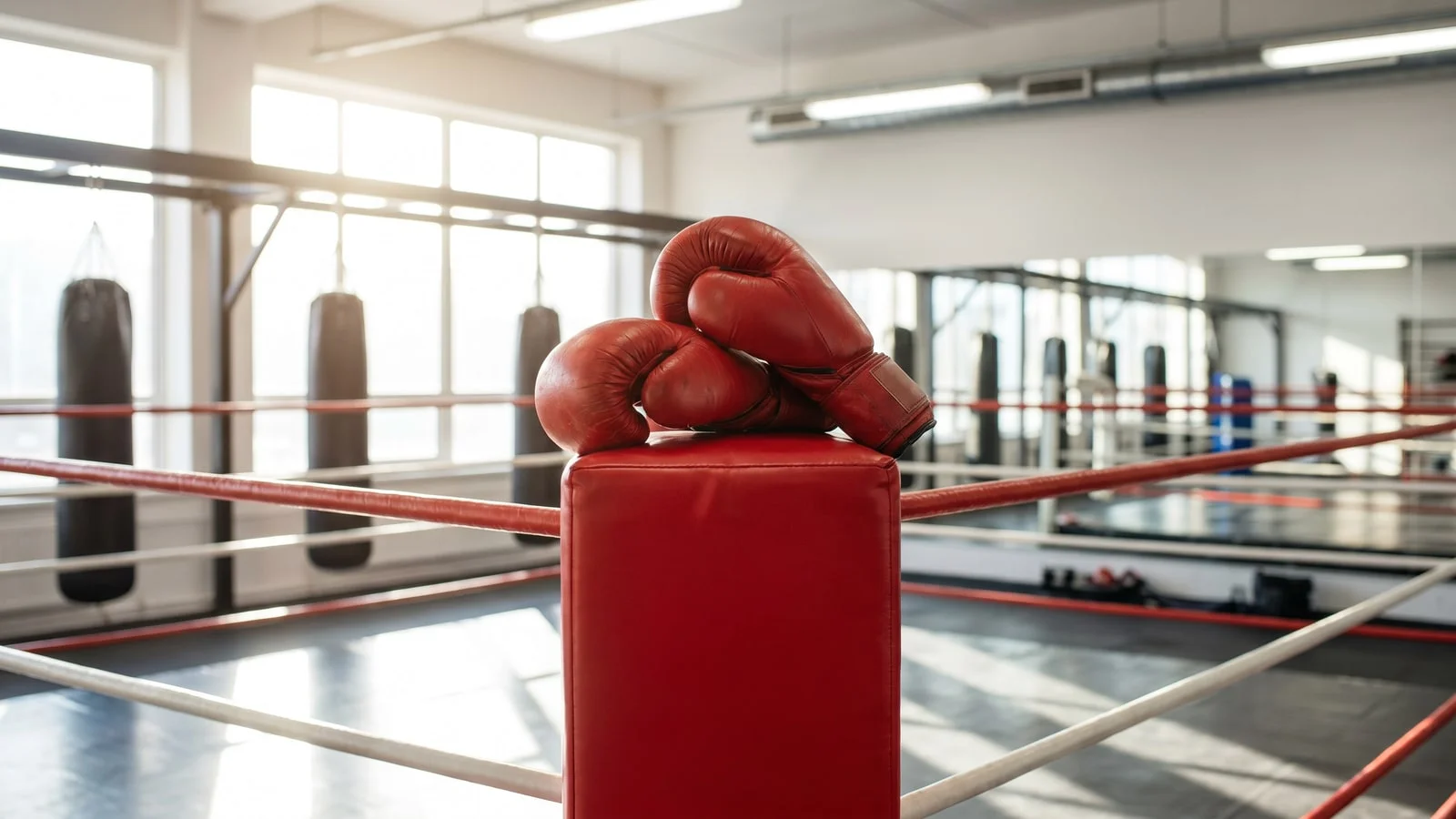
We explain how to choose boxing gloves based on body weight, training type and sparring volume so the ounce number actually means something.
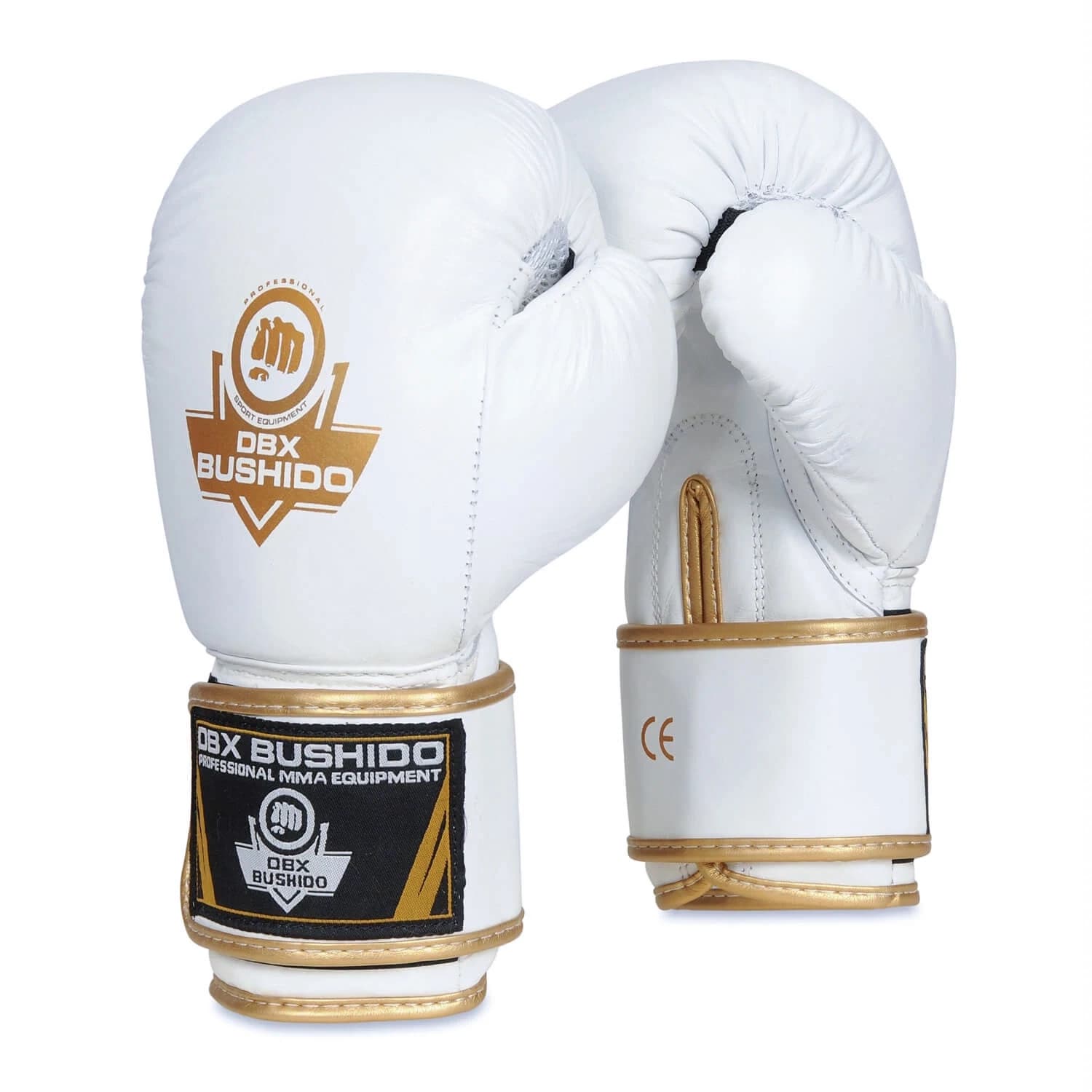
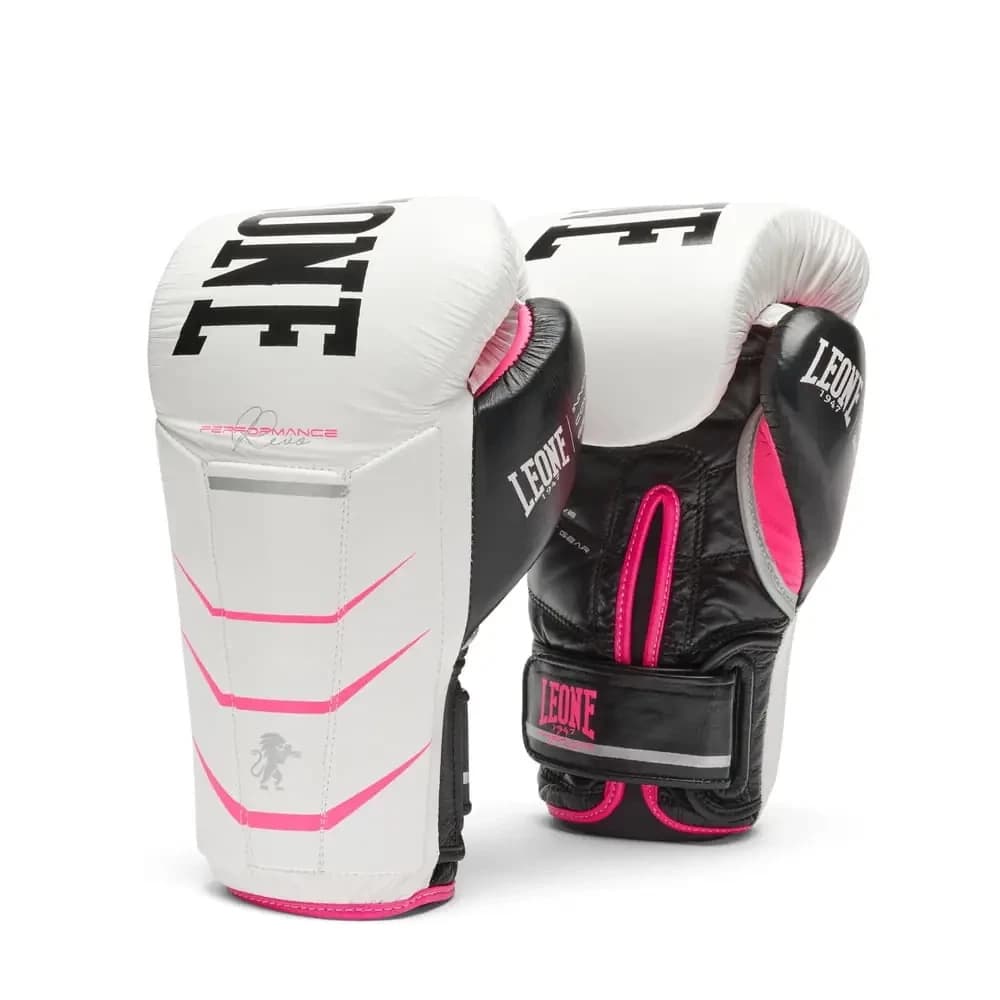
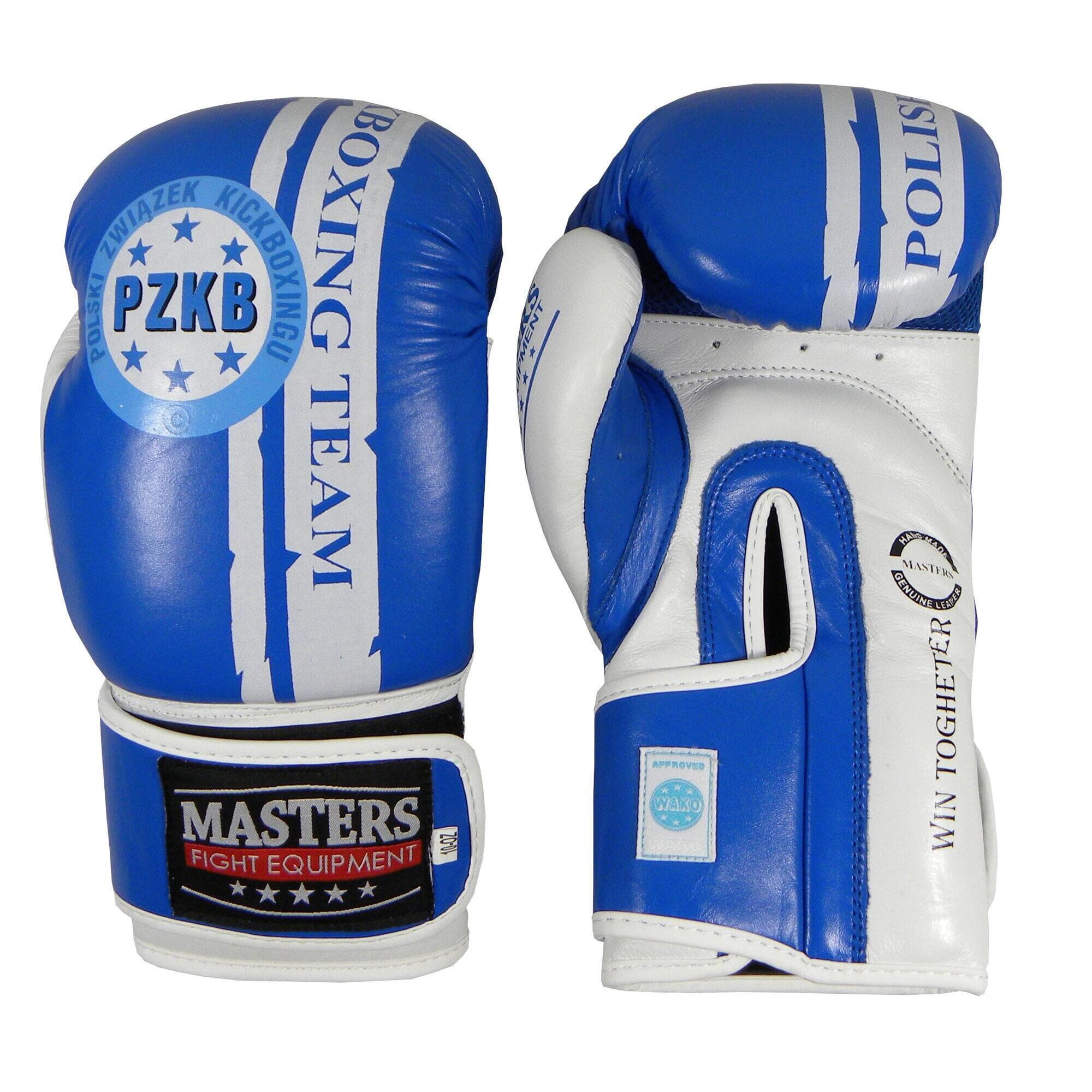
The right sparring glove choice should never start with color or a random discount. First understand weight, padding profile and how hard you actually train.